Behavior, Ecology, Evolution, & Systematics (BEES)
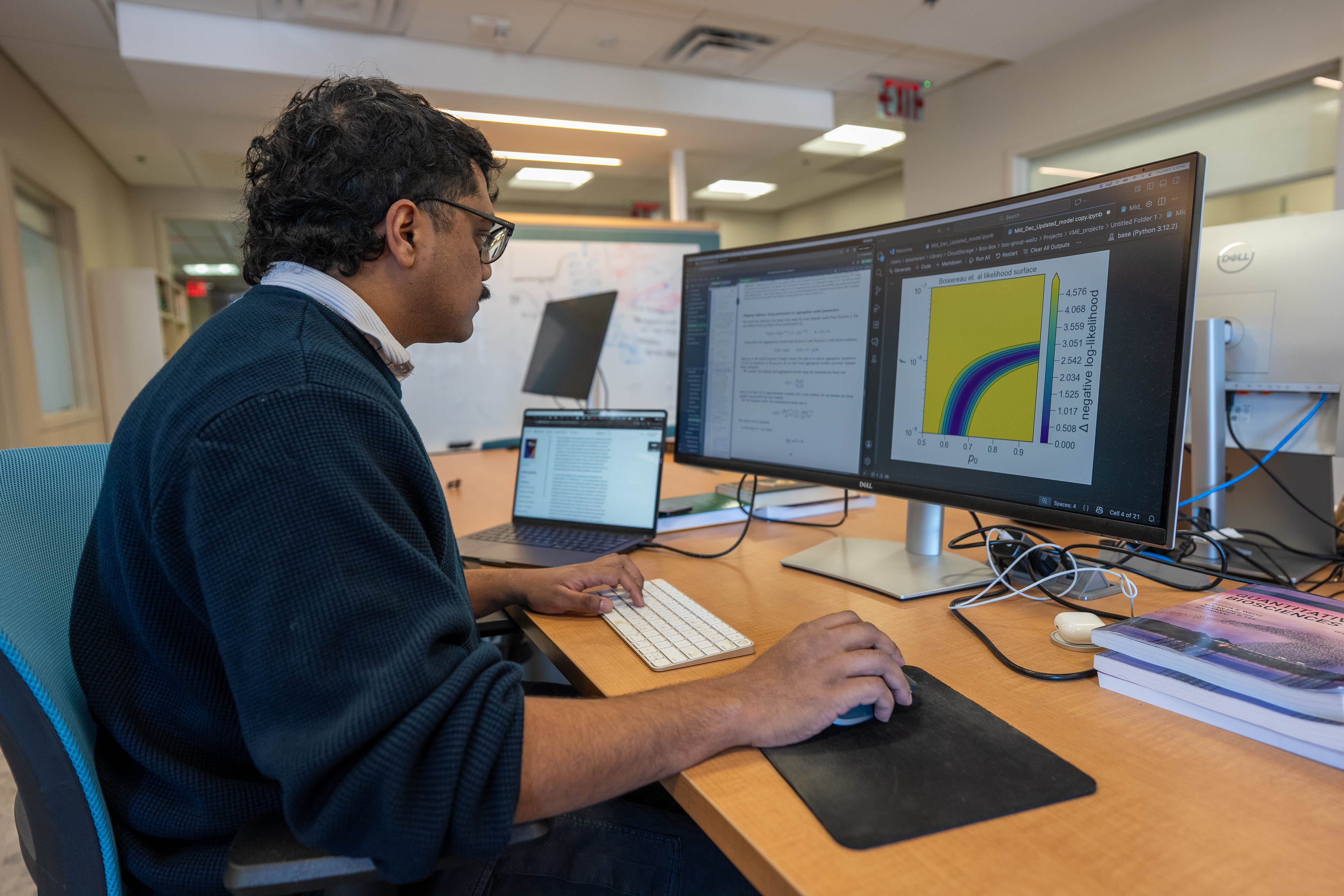
BEES consists of over 60 distinguished faculty members from 10 departments in five colleges at the University of Maryland, including adjunct faculty members from several nearby research institutions, such as the Smithsonian Institution, U.S. Department of Agriculture, and the National Institutes of Health. Together these individuals have expertise in behavioral ecology, neuroethology, physiological ecology, community ecology, conservation biology, population ecology, evolutionary ecology, evolutionary development, quantitative genetics, population genetics, evolutionary genetics, molecular evolution, systematics, and functional genomics.
The BEES Concentration Area Director is Dr. Daniel Gruner.
Note: Training with an off-campus affiliate/adjunct faculty member requires an on-campus co-advisor. Emeriti faculty members can serve on committees, but not as the primary or co-mentor.
On-Campus Equipment
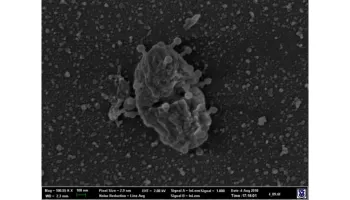
BISI students can use specialized equipment on campus, including a laboratory for evolutionary molecular sequence analysis; scanning, transmission, and confocal microscopes; a gas-source stable-isotope mass spectrophotometer; a bioacoustic lab; a flume lab; a GIS lab; greenhouses; and high-speed network access to a wide range of desktop and supercomputing facilities.
Tropical Field Sites
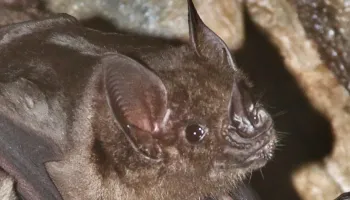
Many BEES faculty members and students conduct research in tropical regions. Some faculty have affiliations with independent laboratories or maintain their own study sites in various parts of the world, including Central and South America, Asia, Australia, and New Guinea. Others utilize field stations run by the Organization for Tropical Studies (OTS) in Costa Rica or the Smithsonian Tropical Research Institute (STRI) in Panama. Because the University of Maryland is a member of the OTS consortium, BEES students have priority consideration for enrollment in OTS courses in tropical biology.
Field Sites
The Beltsville Agricultural Research Center and the adjacent Patuxent Wildlife Refuge and Research Center are just a few miles north of campus and provide valuable facilities, habitat and animals that can be used by BEES students. These two centers together administer thousands of acres of unspoiled, managed, and cultivated lands for research purposes. Several BEES faculty maintain an active and productive relationship with both federal units.
Research
Research areas include quantitative, community, physiological, tropical, and behavioral ecology; evolutionary development; molecular evolution; evolutionary genetics; functional genomics; bioinformatics; phylogenetics; systematics; theoretical ecology; and evolutionary biology.